Deadliest Catch

‘Deadliest Catch’ Makes History: Crews Earn Massive Christmas Payday — What Made This Season So Incredibly Profitable?
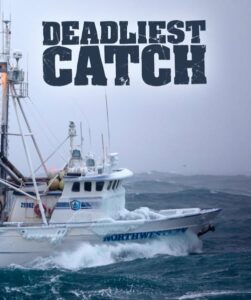
“Deadliest Catch” Makes History: Crews Earn Massive Christmas Payday — What Made This Season So Incredibly Profitable?
The latest season of the popular reality TV series “Deadliest Catch” on the Discovery Channel has caused a stir as captains and crews report record-high earnings. What created this “gold rush” and made the crab fishing season so incredibly lucrative, bringing a “massive Christmas payday” to the brave fishermen?
This sudden wealth was not due to sheer luck, but rather a combination of scarcity in the market supply and the risky endeavor of seeking out new fishing grounds.
1. Scarcity Drives Up Prices
The main factor boosting profits is the situation in the Alaskan seafood market. In recent years, due to conservation concerns, regulatory bodies have closed entire seasons for traditional Red King Crab and Snow Crab fishing in certain areas for multiple consecutive years. This created a severe shortage in the global crab supply.
When supply significantly decreased, the price per pound of crab on the market skyrocketed. This meant that every successful catch was worth significantly more than in previous years. Captains reported prices increasing from around $3/pound to nearly $7/pound or higher during peak periods, making successful hauls extremely valuable.
2. Expanding to New Grounds and Taking Risks
To cope with the closures in traditional areas, captains were forced to take chances and seek opportunities in less-explored waters. The recent season focused on a “gold rush-style” race to the more remote and dangerous waters around Adak Island.
This required a significant investment of time, fuel, and the audacity to set traps in previously untried locations. However, these efforts paid off. The crews succeeded in finding large hauls of crab in these new fishing grounds.
3. “Massive” Earnings for Both Captains and Crew
The combination of high prices and bountiful catches resulted in staggering incomes. In some cases, captains could earn millions of dollars in just a few days if the fishing was good. Captain Jake Anderson once shared with Fox Business that he grossed $2.5 million in just 11 days of fishing during one successful season.
The deckhands, who typically receive a percentage of the catch (crew share), also benefited greatly. Despite the extremely dangerous and demanding work, they could earn anywhere from $15,000 to $50,000 in just a few weeks of work, or up to around $100,000 per year in a good season, which includes compensation for appearing on the show.
In summary, the historic season of “Deadliest Catch” has proven that in the high-stakes world of crab fishing, perseverance, risk-taking, and a bit of market fortune can lead to enormous financial rewards.