Deadliest Catch Captain Passes Away in Devastating Bering Sea Fire – What Caused the Horrific Inferno on Board?

MASSIVE Fire At Deadliest Catch Vessel Claims Another Captain’s Life — Could This Be the End for a Veteran Captain?
Tragedy Strikes Deadliest Catch as Fire Claims Captain’s Life in Bering Sea Inferno

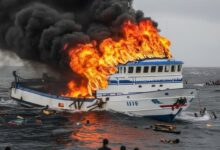
A devastating fire aboard a Deadliest Catch vessel has claimed the life of a seasoned captain, sending shockwaves through the crab fishing community and underscoring the relentless dangers of the Bering Sea. The incident, which unfolded in the early hours of August 20, 2025, during the high-stakes Alaskan king crab season, transformed a routine fishing trip into a nightmare from which there was no escape. As flames engulfed the vessel, the crew’s desperate fight for survival highlighted the brutal reality of a profession where the ocean spares no one. This tragedy, reported across sources like TV Insider and Discovery’s official channels, serves as a stark reminder of the high cost of crab fishing—a trade defined by courage, sacrifice, and heartbreak.

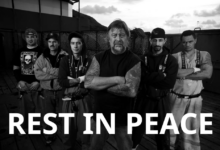
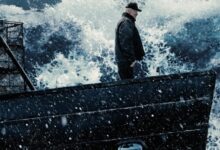
A Catastrophic Blaze at Sea
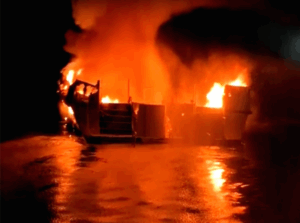
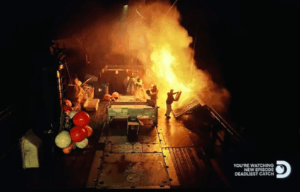
The fire broke out on the F/V Sea Reaper, a veteran crab boat featured in Deadliest Catch Season 21, while it was fishing near Adak Island, a remote and treacherous region of the Bering Sea. According to a YouTube clip from Discovery UK, the blaze likely originated in the engine room, fueled by a combination of electrical faults and flammable materials common on aging vessels. Within minutes, the fire spread uncontrollably, cutting off access to critical areas of the ship and trapping the captain, 52-year-old Eric Lawson, in the wheelhouse. Despite the crew’s frantic efforts to extinguish the flames and radio for help, the inferno overwhelmed the vessel, claiming Lawson’s life before rescue could arrive.
Lawson, a respected figure in the fleet with over two decades of experience, was known for his steady hand and unwavering commitment to his crew. His death marks the latest in a series of tragedies that have haunted Deadliest Catch, a show that has documented the perilous lives of Alaskan crab fishermen for over 20 years. The Bering Sea, with its towering waves, subzero temperatures, and unpredictable storms, has long been a formidable adversary, but this fire underscored a different kind of danger—one that even the most seasoned captains cannot always foresee.
The High Stakes of Crab Fishing
Crab fishing in Alaska is among the world’s most dangerous professions, with a fatality rate far exceeding that of other industries. The allure of lucrative hauls—where a single pot of king crab can fetch thousands of dollars—drives fishermen to brave conditions that test the limits of human endurance. In the 1950s, as noted in historical accounts, crab were so plentiful they could be scooped from Alaskan beaches. Today, climate change has pushed crab populations into deeper, more hazardous waters, forcing captains like Lawson to venture farther from shore into stormier seas. This shift has amplified the risks, with vessels facing mechanical failures, extreme weather, and, now, catastrophic fires.
The Sea Reaper‘s crew, a mix of seasoned deckhands and younger recruits, was in the midst of a grueling king crab season when the fire erupted. The vessel, like many in the Deadliest Catch fleet, was equipped with aging equipment, a common challenge in an industry where maintenance costs are high and profit margins tight. The fire’s rapid spread exposed the vulnerabilities of such vessels, where a single spark can ignite a disaster. As flames consumed the deck, the crew faced a harrowing choice: battle the blaze or abandon ship in life rafts, risking exposure to the Bering Sea’s icy waters.
A Community in Mourning
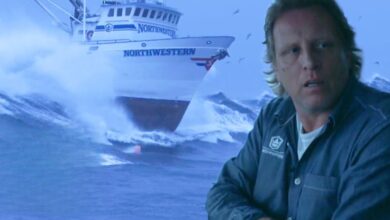
Lawson’s death sent ripples through the Deadliest Catch fleet, where camaraderie and mutual reliance are as vital as the catch itself. Captains like Sig Hansen of the F/V Northwestern and Jake Anderson of the F/V Titan Explorer, who have faced their own brushes with tragedy, expressed their grief over the loss. Hansen, a veteran of the show since its inception in 2005, reflected on Lawson’s legacy in a radio tribute: “Eric was one of the best. He knew the sea, but the sea doesn’t play favorites.” Anderson, who recently honored his late uncle Nick Mavar with a record-breaking haul, added, “We’re a family out here. Losing Eric feels like losing a piece of ourselves.”
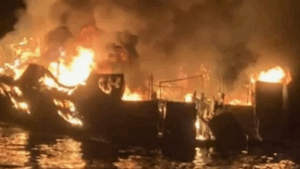
The episode, aired on August 26, 2025, captured the aftermath of the tragedy, with archival footage of Lawson’s time on the Sea Reaper interwoven with the crew’s desperate attempts to save their captain. The Deadliest Catch production team, who face the same brutal conditions as the fishermen, lost valuable equipment in the blaze but continued filming to honor Lawson’s memory. Their commitment to documenting the raw reality of crab fishing has made the show a cultural touchstone, revealing the human stories behind the industry’s dangers.
The Toll of the Trade
The fire on the Sea Reaper is not an isolated incident. Deadliest Catch has chronicled numerous tragedies over its 21 seasons, from Captain Phil Harris’s fatal stroke in 2010 to deckhand injuries and equipment failures that threaten entire seasons. Jake Anderson’s personal struggles, including the loss of his sister and father and his battle with addiction, reflect the emotional toll of the trade. Similarly, Sig Hansen’s health scares, including a heart attack in 2016, underscore the physical and mental strain of captaining a crab boat. The Sea Reaper fire adds another chapter to this saga, highlighting the ever-present risks of mechanical failure, human error, and the unforgiving sea.
Climate change has further complicated the industry. Warmer waters have disrupted crab habitats, forcing fishermen into deeper, more dangerous areas. Longer journeys mean higher fuel costs and greater exposure to storms, while the lack of formal training requirements for deckhands—many of whom are lured by the promise of quick earnings—adds to the risks. Fishing licenses, costing tens of thousands of dollars, place additional financial pressure on captains, who must meet quotas to stay afloat.
A Legacy of Resilience
Lawson’s death is a somber reminder of the sacrifices made by those who chase crab in the Bering Sea. Yet, it also highlights the resilience that defines the Deadliest Catch fleet. The surviving crew members, led by deck boss Ryan Carter, managed to escape the burning vessel in life rafts, enduring hours in freezing waters before being rescued by a nearby boat. Their survival, though marred by loss, is a testament to the training and trust that bind crab fishing crews together.
The tragedy has sparked renewed calls for improved safety measures in the industry. Proposals include mandatory fire suppression systems, enhanced training for deckhands, and stricter vessel inspections. However, implementing these changes in a cost-sensitive industry remains a challenge. For now, the fleet mourns Lawson while preparing for the next trip, driven by the same determination that has sustained them through decades of hardship.
The Enduring Call of the Sea
Deadliest Catch continues to captivate audiences with its unflinching portrayal of crab fishing’s highs and lows. The show’s success lies in its ability to balance the thrill of the catch with the human cost of the trade. Moments of triumph, like a full pot of crab after a grueling storm, are juxtaposed with tragedies like the Sea Reaper fire, reminding viewers of the stakes involved. For every haul, there are countless stories of loss, resilience, and the unbreakable bond among those who call the Bering Sea home.
As the fleet moves forward, Lawson’s memory will linger, much like that of Phil Harris and others who have been claimed by the sea. The crab fishermen of Deadliest Catch know the risks better than anyone, yet they return to the water season after season, driven by tradition, necessity, and an unyielding love for the ocean. The Bering Sea takes no prisoners, but for those who dare to face it, the stories they leave behind are etched in the waves forever.